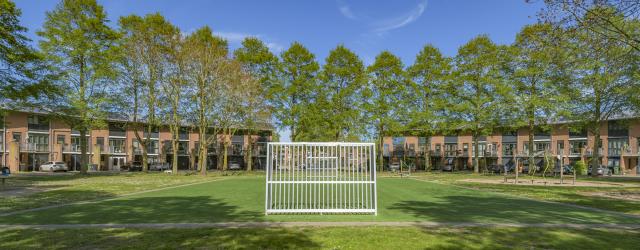
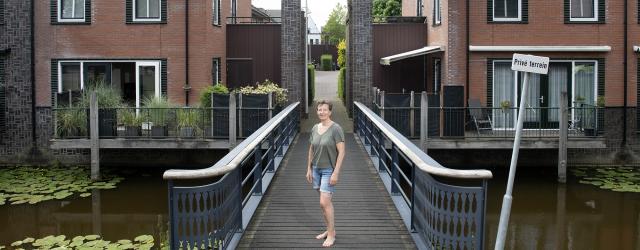
Courtyard complexes come in all shapes and sizes. They can be very old or brand new, with a mix of housing types or, conversely, all identical homes. There are courtyards where residents share facilities, such as a kitchen or a laundry room, and others where only the courtyard itself is communal. There are residential communities where residents share similarities in age, family structure and/or beliefs. But there are also those where people seem to share nothing more than their postcode. Whilst in the 17th century it was often wealthy benefactors who founded courtyards for the less fortunate, nowadays empowered citizens are sometimes taking the initiative themselves.
So it is certainly possible to live (and work) in a courtyard, but why does it happen relatively rarely? In a country facing both a housing and a care crisis, the courtyard home may well be part of the solution. As a concept, the hofje holds great promise in cities facing regeneration and densification challenges: it offers a sense of security, tranquillity and green space within a wider context. This architectural map explores the quality and diversity of hofjes in Amersfoort through the ages. It is an anthology rather than a comprehensive overview.
Translated with DeepL.com
Click here to download the English version of the Courtyard Map